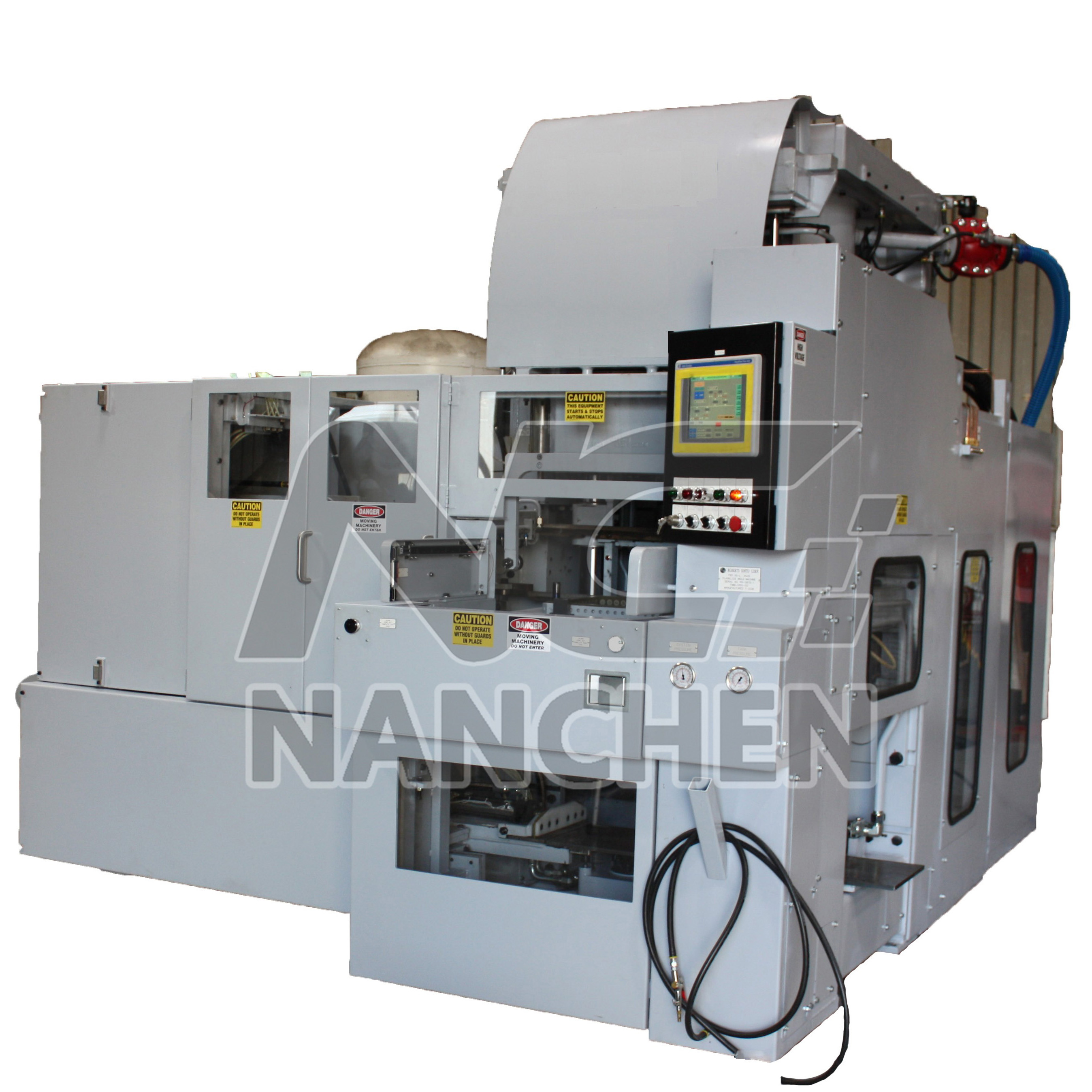
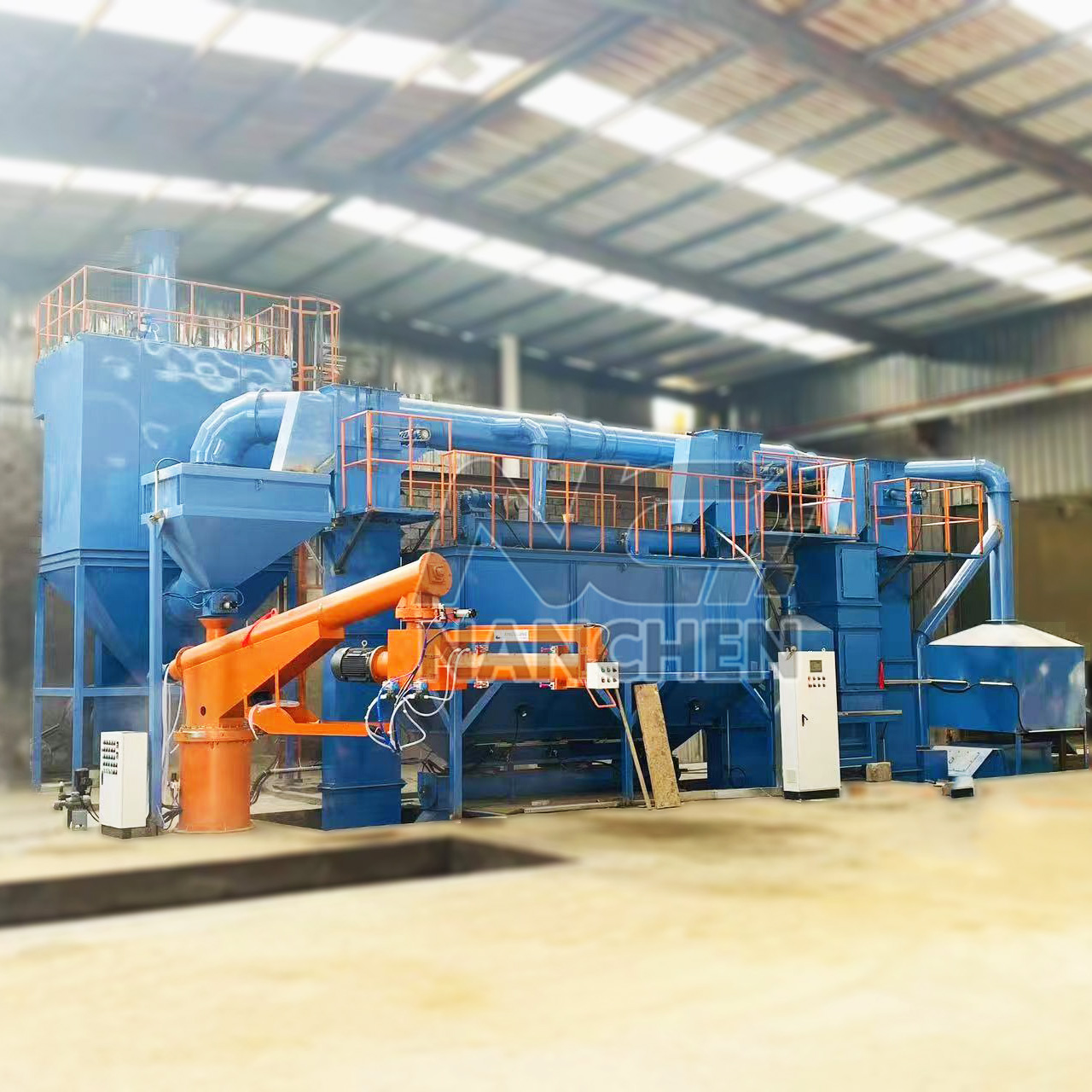
Common Faults and Standard Troubleshooting Solutions for Fully‑Automatic Molding Machines
The fully‑automatic molding machine serves as the core equipment for the molding process in foundry workshops, directly determining sand mold quality, casting dimensional accuracy and overall production capacity. Compared with manual molding, it delivers stable molding performance and high efficiency. Nevertheless, under long‑term heavy‑duty production, seasonal and working‑condition‑related faults such as uneven compaction, mold shift, sand collapse, sand leakage and poor pattern withdrawal tend to occur.
To help foundry enterprises quickly locate faults, shorten downtime and stabilize the yield rate, this document summarizes frequent faults, root causes as well as standardized troubleshooting and solutions for fully‑automatic molding machines. It is applicable to most horizontal‑parting static‑pressure fully‑automatic molding equipment.
I. Soft Sand Mold & Uneven Compaction
Fault Phenomena:
Low sand mold hardness, local soft spots and incompact corners. Defects such as mold swelling, burrs and sand holes are likely to emerge after pouring.
Possible Causes:
1. Excessive moisture content of molding sand and abnormal sand temperature
2. Insufficient setting of compaction pressure parameters
3. Blocked sand‑shooting nozzle and uneven sand shooting
4. Unstable pressure of compaction hydraulic cylinder or air bag
Standard Troubleshooting & Solutions:
1. Test the moisture content of molding sand daily; adjust sand‑mixing ratio promptly when exceeding the limit.
2. Fine‑tune compaction pressure according to casting thickness; apply extra pressure for heavy‑section large castings.
3. Clean sand‑shooting nozzle and sand bin filter screen to ensure smooth sand falling.
4. Check air circuit pressure and solenoid valve stability to guarantee constant compaction pressure.
II. Mold Shift & Mold‑closing Misalignment
Fault Phenomena:
Misalignment between upper and lower sand molds, resulting in mold shift, uneven wall thickness and dimensional out‑of‑tolerance of castings.
Possible Causes:
1. Excessive clearance caused by wear of guide pillars and guide bushes.
2. Deviated positioning accuracy of mold closing.
3. Slight vibration of equipment frame and loose fixing bolts.
4. Residual sand on parting surface leading to incomplete mold closing.
Standard Troubleshooting & Solutions:
1. Inspect wear condition of guide pillars and guide bushes weekly; replace them in time if clearance exceeds the allowable value.
2. Recalibrate positioning parameters for mold closing.
3. Tighten anchor bolts of machine base and connecting bolts of the frame.
4. Clear residual sand and foreign matters on parting surface per shift to achieve flat and tight mold‑closing fit.
III. Poor Pattern Withdrawal, Mold Sticking & Sand Tearing
Fault Phenomena:
Local sand mold peeling, corner sand chipping and sand sticking to mold during pattern withdrawal.
Possible Causes:
1. Rough mold surface with heavy scale buildup and sand sticking.
2. Uneven or insufficient spraying of release agent.
3. Non‑compliant moisture content of molding sand.
4. Excessively fast pattern‑stripping speed parameter.
Standard Troubleshooting & Solutions:
1. Regularly polish and clean carbon deposits and adhered sand on mold surface.
2. Standardize release‑agent spraying process to ensure full and even coverage.
3. Fine‑tune moisture content of molding sand to avoid looseness caused by over‑dry sand and mold sticking caused by over‑wet sand.
4. Properly reduce pattern‑stripping speed to reduce tearing damage to sand molds.
IV. Sand Collapse & Cavity Peeling‑off
Fault Phenomena:
Sand dropping and local collapse of mold cavity after molding, which makes normal pouring impossible.
Possible Causes:
1. Insufficient green compressive strength of molding sand and improper proportion of bentonite/coal powder.
2. Inadequate sand shooting and local sand shortage in mold cavity.
3. Sand tearing induced by excessive pattern‑stripping speed or insufficient pattern‑stripping draft angle.
4. Loose molding sand due to high workshop humidity.
Standard Troubleshooting & Solutions:
1. Adjust molding‑sand formula to guarantee strength and toughness of molding sand.
2. Check sand‑shooting pressure and duration to achieve full cavity filling.
3. Verify whether pattern‑stripping speed and draft angle are reasonable; adjust them when necessary.
4. Strengthen workshop ventilation and dehumidification in humid weather; strictly control sand temperature and sand moisture.
V. Sand Leakage, Flash & Pouring‑induced Mold Swelling
Fault Phenomena:
Large‑area burrs, flashes and mold‑swelling deformation on castings after pouring.
Possible Causes:
1. Poor fit of parting surface padded by foreign objects.
2. Insufficient overall hardness of sand mold.
3. Inadequate mold‑closing pressure.
4. Deformation under pressure of high‑temperature molten iron due to insufficient sand mold hardness.
Standard Troubleshooting & Solutions:
1. Thoroughly clean parting surface per shift to remove residual sand and foreign debris.
2. Improve compaction uniformity to ensure overall sand‑mold hardness meets requirements.
3. Check mold‑closing pressure to ensure complete mold locking.
4. Optimize compaction process and properly increase sand‑mold compactness for heavy‑section large castings.
VI. Mechanical Stuttering, Abnormal Noise & Action Delay
Fault Phenomena:
Stuttering, abnormal noise and slow response during sand shooting, compaction, mold opening/closing and pattern withdrawal.
Possible Causes:
1. Insufficient lubrication for guide rails and guide pillars.
2. Water accumulation and stuttering of pneumatic components.
3. Aging and air leakage of solenoid valves and cylinders.
4. Loosened mechanical fastening parts.
Standard Troubleshooting & Solutions:
1. Fill high‑temperature‑resistant grease daily to keep kinematic pairs operating smoothly.
2. Drain accumulated water from air circuit and clean oil‑water separator per shift.
3. Test sealing performance of cylinders and replace worn‑out accessories timely.
4. Fully tighten bolts of machine body and moving mechanisms.
VII. Insufficient Sand Shooting & Incomplete Cavity Filling
Fault Phenomena:
Local sand shortage and incomplete cavity formation of sand mold.
Possible Causes:
1. Insufficient sand stock in sand bin.
2. Blocked sand‑shooting nozzle with caked residual sand.
3. Low sand‑shooting pressure.
4. Caked molding sand with poor flowability.
Standard Troubleshooting & Solutions:
1. Maintain adequate sand storage in sand bin.
2. Regularly clean sand‑shooting nozzle and unclog sand‑shooting channel.
3. Appropriately raise sand‑shooting pressure and extend sand‑shooting duration.
4. Filter caked molding sand to guarantee its flowability.
Key Points for Daily Preventive Maintenance
1. Clean residual sand on parting surface, molds and sand‑shooting mechanism per shift.
2. Inspect status of air circuit, hydraulic system and lubrication system daily.
3. Calibrate parameters for compaction, mold closing and pattern withdrawal weekly.
4. Conduct comprehensive inspection on wearing parts monthly and implement preventive replacement in advance.
Most faults of fully‑automatic molding machines stem from four major factors: unstable molding‑sand parameters, inadequate daily cleaning, untimely equipment maintenance and improper parameter commissioning. By adopting standardized troubleshooting procedures and implementing per‑shift inspection system, common defects including mold shift, sand collapse, mold swelling and mold sticking can be greatly reduced. It helps stabilize sand‑mold quality, improve casting yield rate and support continuous and efficient production in foundry workshops.
Qingdao Nanchen specializes in R&D and manufacturing of fully‑automatic molding machines and static‑pressure molding equipment. We provide equipment selection, process commissioning and on‑site maintenance guidance for different casting categories and production‑capacity requirements, assisting foundry enterprises in realizing automatic, high‑quality and low‑cost production.